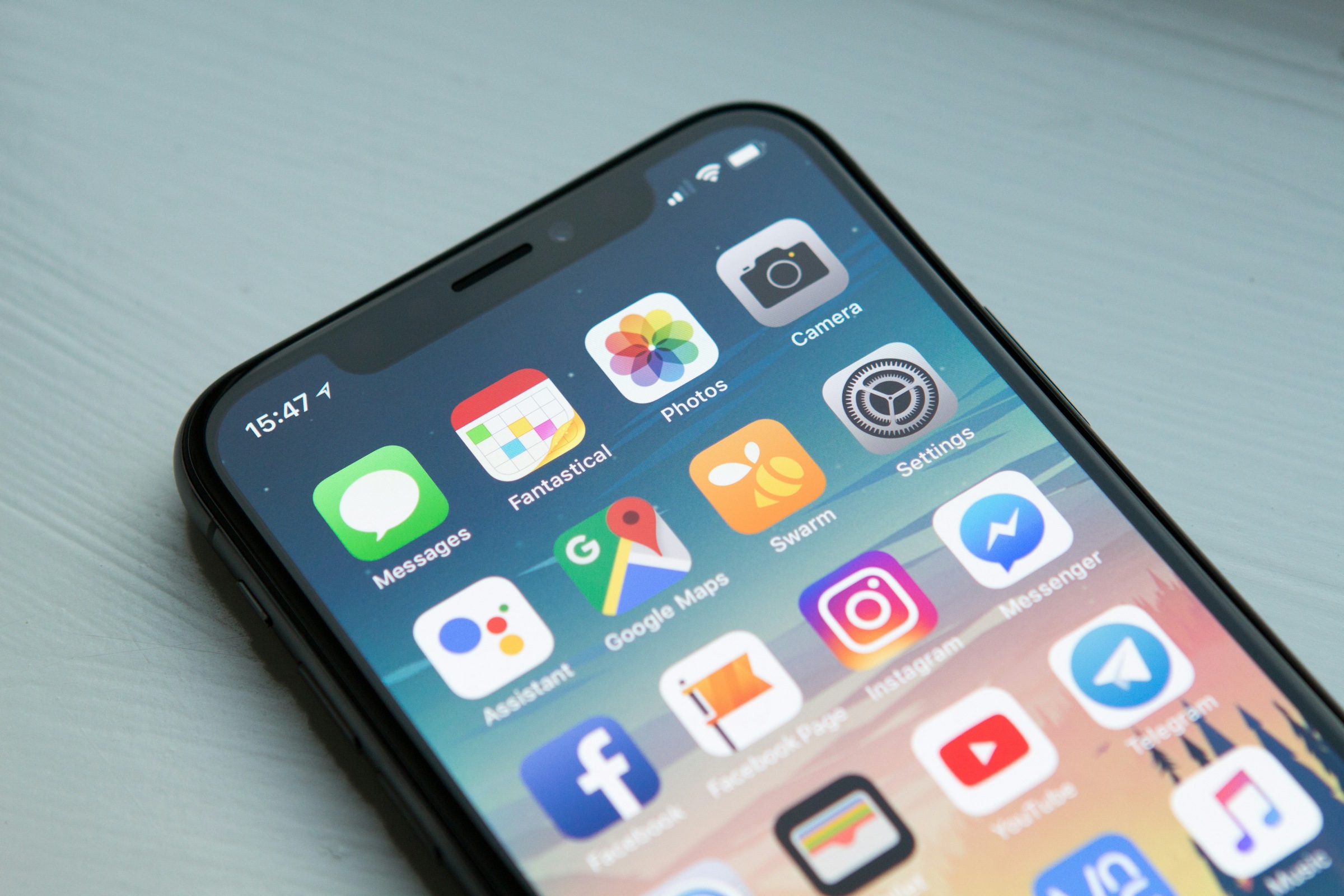
Mobile apps leave public traces in digital stores. Ratings, reviews, download trends, and competitive comparison offer a surprisingly useful view of how the market is perceiving a product.
That does not replace internal analytics, but it complements it well.
Why store performance is worth watching
Teams often focus only on internal metrics, yet the app store tells an important story too. It reflects signals about:
For product, marketing, and growth teams, that reading can be especially valuable.
Which indicators usually matter most
Average rating
It does not explain everything, but it strongly influences download decisions and first impressions.
Review volume and tone
This helps detect whether the conversation revolves around bugs, poor UX, slow support, billing issues, weak onboarding, or other concrete pain points.
Trend over time
A bad release or a visible improvement often leaves a clear mark in ratings and comments.
Competitive comparison
Looking at how an app stands against others in the same category helps determine whether a problem is internal or more structural to the market.
The store as an experience radar
Reviews are not always fair and they are never perfectly representative, but they still work as a radar. Very often, they repeat the same patterns that later show up in internal metrics: abandonment, login failures, payment problems, slowness, or misaligned expectations.
That is why they should be read not as anecdotal noise, but as useful qualitative evidence.
What to do with that information
This approach pairs well with app metrics and a stronger app analytics strategy, because the strongest insight comes from combining internal behavior with public signals.
Visible competition, practical learning
App Battleground matters for exactly that reason: the market leaves visible clues. If an app understands what users are saying, how it compares, and which frictions keep repeating, it can prioritize better.
Not to chase stars for vanity, but to improve the product with more context.