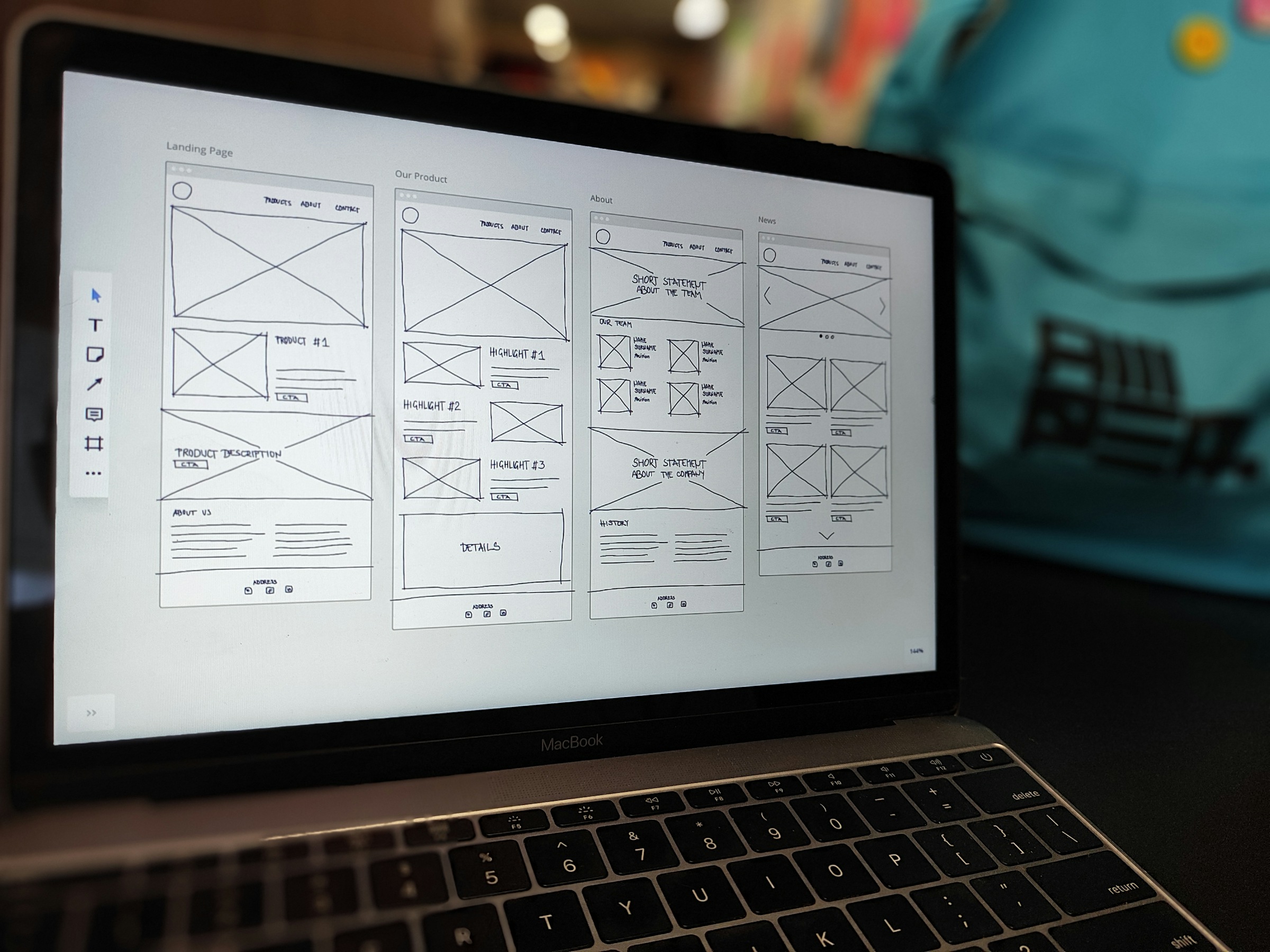
Treating UX as nothing more than “making screens look nice” is still a surprisingly expensive habit. A strong user experience process does not decorate a product. It makes the product clearer, easier to use, and easier to adopt.
That has direct business impact: less friction, fewer mistakes, better conversion, lower support burden, and a healthier relationship between product, design, and engineering.
UX is not a decorative phase
UX starts long before the final interface. It starts when the team tries to understand who is using the product, what they are trying to solve, which constraints they face, and where they get stuck.
That is why a solid UX process usually includes:
When these pieces are skipped, teams end up building on assumptions. And in digital products, assumptions are usually expensive.
What the business gains when UX is taken seriously
Better adoption
If the product is easier to understand, the learning curve drops and activation improves.
Less operating friction
A clearer flow reduces input errors, rework, and support tickets.
More focused development
When requirements are clarified earlier, teams spend less time on avoidable design and engineering loops.
Stronger conversion
Small improvements in navigation, hierarchy, and clarity can materially change the performance of onboarding, checkout, or any critical form.
Mexico and LATAM change the design conversation
Designing UX for this region is not about copying patterns from more stable markets. Teams often have to deal with uneven connectivity, lower-end devices, journeys split between digital and human service, and users with very different levels of digital familiarity.
That changes how we should think about:
Without that context, a product can look great in Figma and still fail in actual operation.
What a strong UX partner brings
Working with an experienced UX team is not about outsourcing aesthetics. It is about adding a discipline that helps the organization ask better questions before building.
A strong UX partner helps teams:
That work connects naturally with tools such as the customer journey map and with a broader view of the UX process as a success factor.
UX and development should work together
One of the most common mistakes is treating UX and engineering as separate handoff stages. The strongest results come when both disciplines collaborate early: design grounds the product in user needs, and engineering helps make solutions viable, measurable, and maintainable.
Better design leads to better product decisions
In the end, UX matters not because it looks nicer. It matters because it reduces friction before that friction turns into operating cost or abandonment.
Once a company understands that, UX stops looking like a luxury and starts functioning as a practical tool for building digital products that work in the real world.