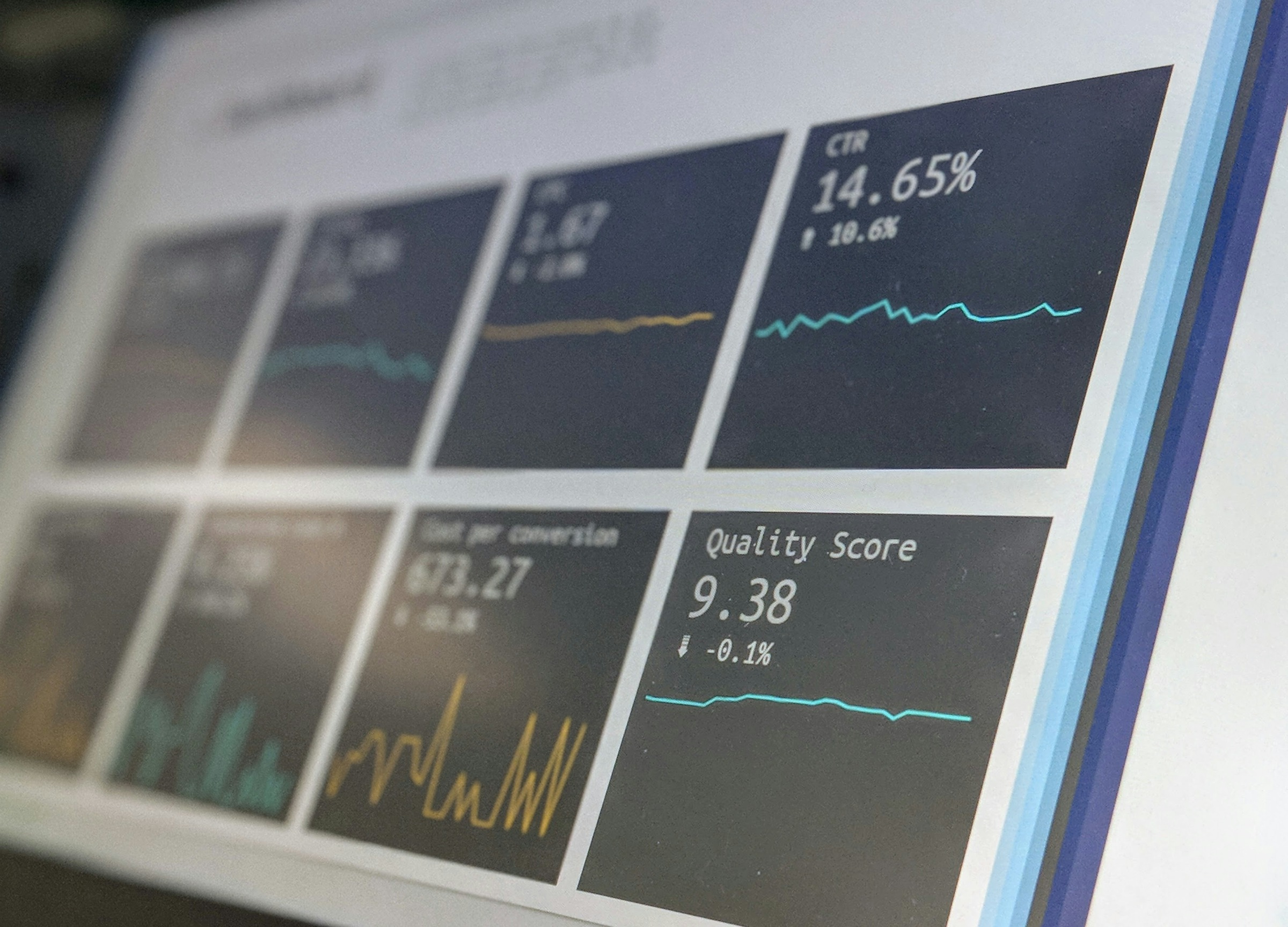
The most common temptation after launching an app is to measure too much. Downloads, sessions, views, taps, active users, average time, bounce, cohorts, funnels. Everything feels important at once. The problem is that apps do not improve by accumulating dashboards. They improve when teams interpret signals that change real decisions.
That is why the useful question is not “what can I measure?” but “what do I need to understand in order to improve product, growth, and operations?”
Metrics should answer a decision
A good metric matters when it helps answer something concrete:
Without that context, even a beautiful dashboard turns into noise.
The 5 groups worth tracking first
1. Acquisition
This is about understanding where users come from and what quality they bring.
Useful metrics include:
It is not enough to know how many arrived. You need to know which ones move toward a valuable action.
2. Activation
Activation measures whether users reach initial value quickly.
Key signals include:
This connects directly to a stronger app analytics strategy and to the kinds of product improvements described in optimizing your app with app analytics.
3. Retention
Retention answers the uncomfortable question: do people return because the app creates value, or did they just open it once?
Track metrics such as:
4. Conversion
Every app usually has a critical action: purchase, request, quote, full registration, account activation, or recurring usage of a key feature.
It helps to measure:
5. Performance and quality
Many business issues begin inside something that first looks purely technical.
Do not lose track of:
Mexico and LATAM change the picture
Across the region, many journeys do not live only inside the app. They often mix web, call center, WhatsApp, off-flow payments, and human service. That means a purely in-app reading stays incomplete.
When possible, app metrics should connect with CRM, campaigns, support, payments, or geography. That is where the data starts looking more like the real business.
Be careful with vanity metrics
Some metrics look impressive and still say very little on their own:
It is not that they are useless. It is that, in isolation, they explain very little.
Better measurement leads to better prioritization
A useful metric is not the one that looks nice in a presentation. It is the one that helps teams decide what to fix first, which feature deserves more investment, and which friction is slowing growth.
That makes measurement more demanding, but also much more valuable.