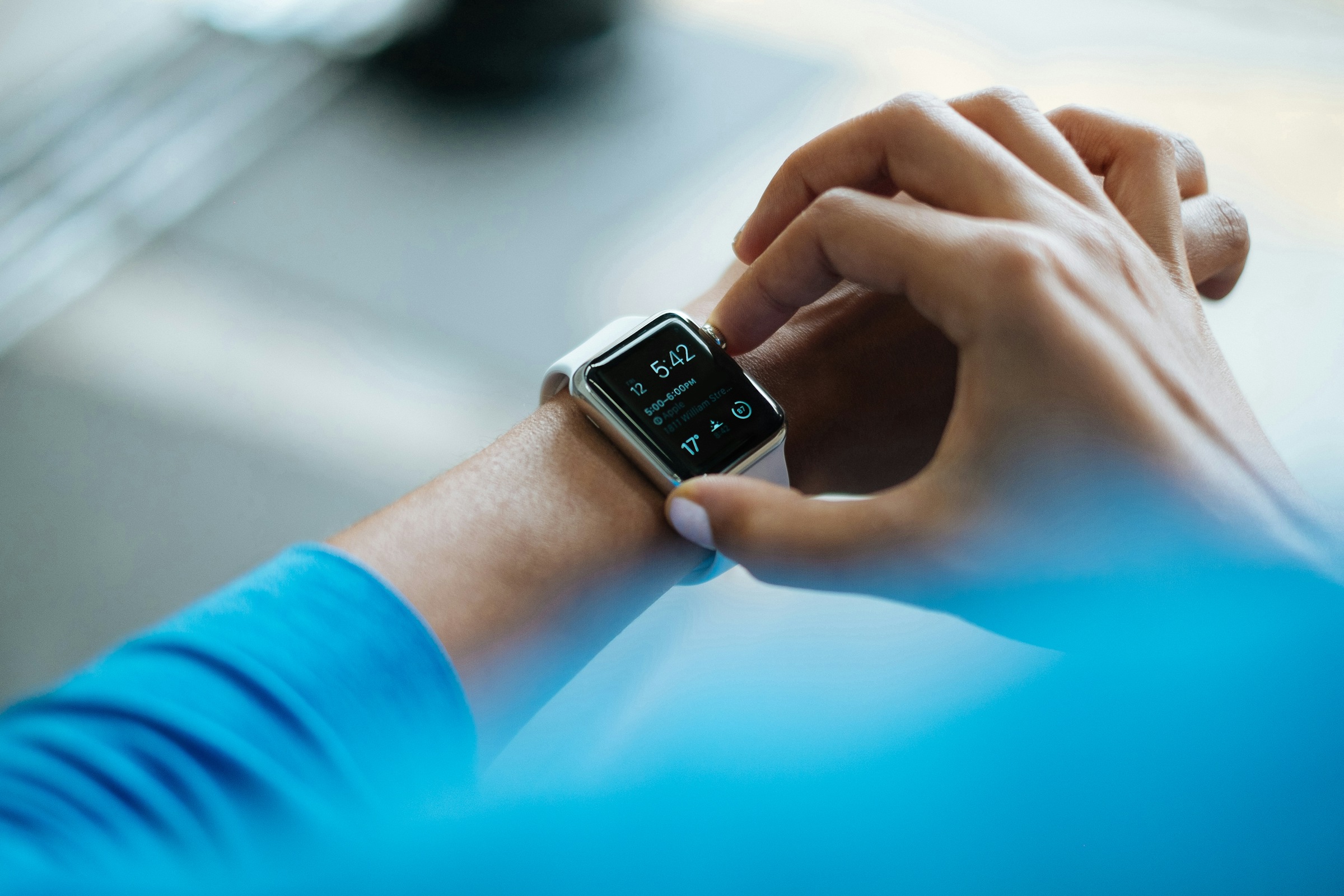
Wearables opened up a powerful possibility for digital health: measuring bodily signals continuously and turning them into earlier monitoring, alerts, or prevention. The promise is big, but the limits are very real.
The relevant question is not whether a watch, ring, or patch can collect data. The real question is whether that data can support risk detection with enough quality to inform clinical or public health decisions.
Where wearables already add value
Wearables are already useful for several tasks:
That matters because it extends observation beyond the single moment of a clinic visit. Instead of a snapshot, teams can work with a sequence of signals over time.
The challenge begins when we want prediction
Moving from monitoring to disease prediction requires much more than sensors. It requires:
If any of those pieces fail, the system may trigger false alarms, miss real risk, or bias conclusions toward populations that were better represented in the data.
Bias is not a minor detail
In digital health, bias becomes especially sensitive. A model can fail because:
This matters across Mexico and LATAM, where healthcare infrastructure, connectivity, and technology adoption are highly uneven. If the design starts from a narrow sample, the benefit concentrates and the gap widens.
Validation matters as much as innovation
A wearable can be useful for guiding follow-up, prioritizing observation, or complementing epidemiological surveillance. But not every captured signal deserves immediate clinical trust.
To create real value, teams need clear answers to hard questions:
Without that validation layer, innovation can look impressive and still be weak in practice.
Privacy and responsible use
Digital health also forces a conversation about privacy, consent, and the protection of sensitive information. If biometric signals move through weak controls, the risk is not only technical. It is legal and ethical too.
That is why this topic connects closely to biometric data protection and to other technologies that turn perception into action, such as visual data feedback.
More prevention, but with realistic expectations
The potential of wearables is real, especially in prevention, remote monitoring, and longitudinal follow-up for specific populations. But useful adoption depends less on the device itself and more on the system around it: validation, data quality, context, access, and clinical response.
That is the least flashy part and the most important one.
The useful future is the one that reduces gaps
If this technology is going to contribute meaningfully to public health, it will need more than better sensors. It will need to become more representative, more accessible, and more responsible with the data it captures.
That is how wearables move from interesting promise to trustworthy tool.