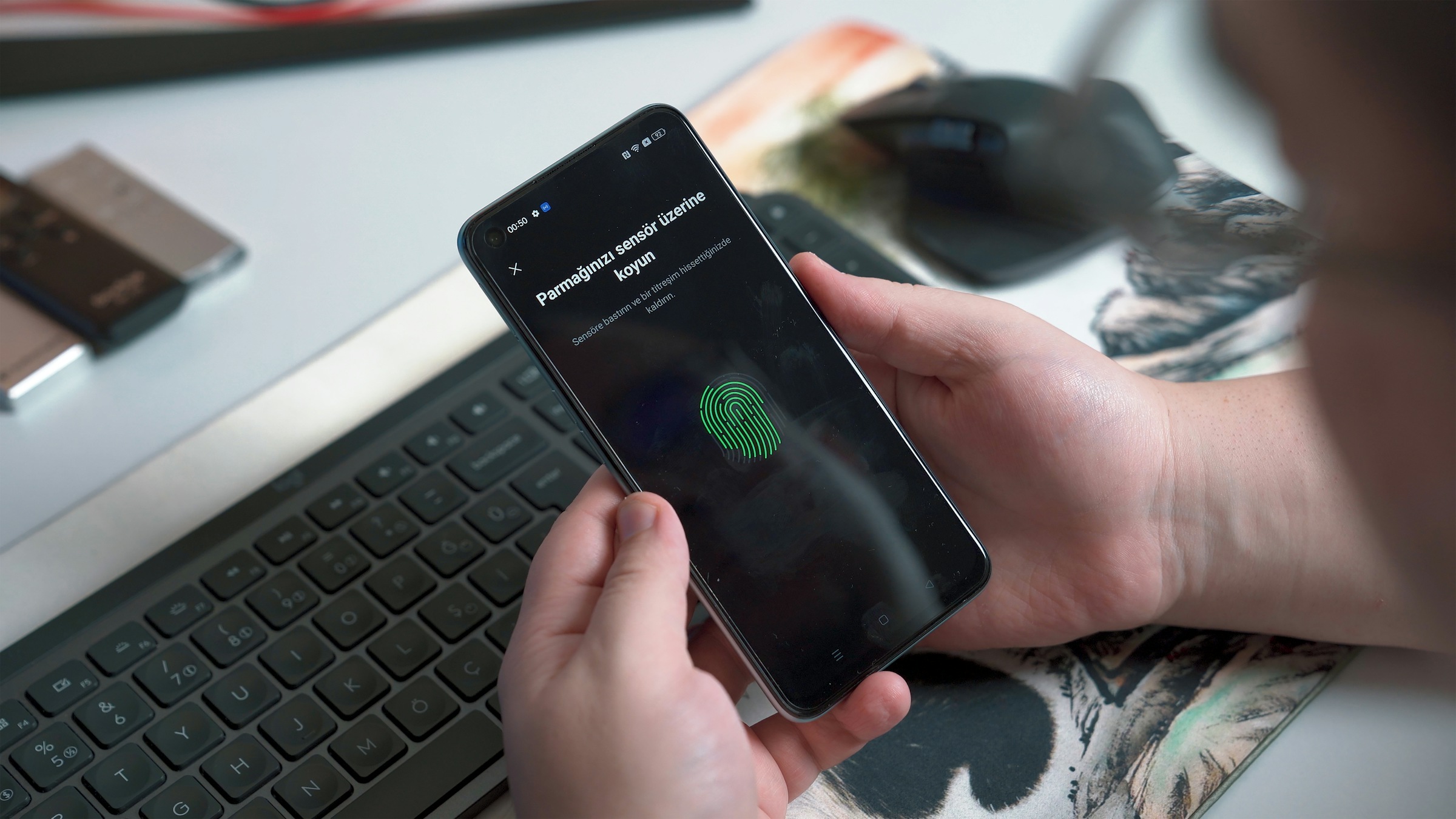
Biometric data promises convenience, control, and security. It can help authenticate identity, register access, or automate verification with less friction. But that is exactly why it deserves more care than ordinary personal data.
A password can be changed. A face, fingerprint, or iris cannot.
What makes biometric data different
Biometric data describes physical, physiological, or behavioral traits that can identify a person. Common examples include:
Its sensitivity does not come only from identification. It comes from the fact that these traits are often permanent or very hard to replace once exposed.
The risk does not end at collection
Many organizations think first about how to collect biometric data and only later, if at all, about how to govern it. That order is backwards.
If a company uses biometrics, it should be clear from the start:
This is the uncomfortable part: if a biometric database is leaked, the problem cannot be solved with a simple reset.
Where mistakes usually happen
Excessive collection
Biometrics gets captured even when a less invasive method would have been enough.
Ambiguous purpose
Users do not clearly understand what their information will be used for.
Opaque vendors
Many biometric solutions rely on third parties, and organizations do not always audit how those providers handle the data.
Weak protection
Poor encryption, broad access, or vague policies turn a technical concern into a real operating risk.
Why the Mexican context matters
In Mexico, biometric data handling cannot be treated as a purely technical detail. It also touches personal data protection, informed consent, and institutional accountability.
For companies and organizations involved in digital onboarding, access control, fintech, healthcare, or security, the temptation to use biometrics is high. But the right question is not only whether it can be used. It is whether the use is justified and whether the organization is mature enough to protect it.
When it makes sense and when it does not
Biometrics can make sense when it:
It is probably not worth using when it is adopted only because it feels modern, convenient, or easier than designing a more responsible identity process.
Biometrics, AI, and surveillance
This topic also connects to AI systems, visual recognition, and monitoring. That is why it pairs naturally with discussions about visual data feedback and with information security in sensitive settings, such as virtual meeting access controls.
Treat it like it were your own
The simplest rule is still the most useful: if an organization would not accept that level of exposure for its own leadership or staff, it should not normalize it for users either.
Biometric data can strengthen security, yes. But only when it comes with real necessity, clear limits, and much more serious protection than usual.